
Ledger.com/Start® | Getting started — Ledger®
Explore Ledger.com/start to learn practical Ledger wallet setup steps, connect compatible software, organize crypto accounts, and follow essential practices for protecting recovery information.
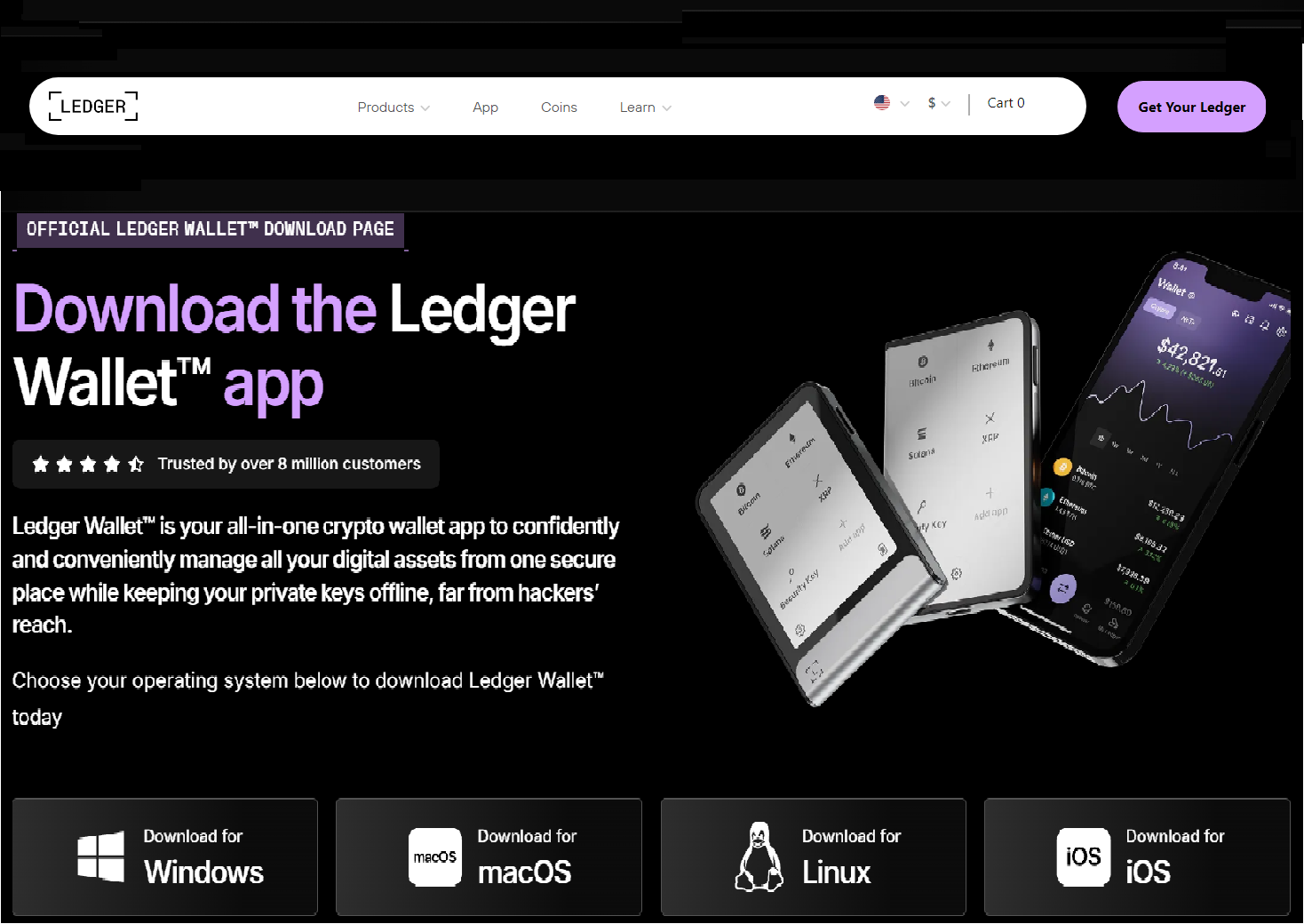
Ledger.com/start: A Complete Guide to Secure Ledger Wallet Setup
Setting up a hardware wallet is an important step for anyone who wants greater control over their cryptocurrency assets. Unlike a traditional online account, a hardware wallet is designed to keep sensitive wallet credentials within a dedicated physical device. For new users, understanding the setup process can make the transition to self-custody much easier.
Ledger.com/start is commonly used as a starting point for Ledger wallet onboarding. The setup process involves preparing the device, establishing security protections, creating a recovery backup, connecting compatible wallet software, and learning how to approve transactions safely.
Understanding Ledger.com/start
Ledger.com/start provides a starting point for users who are beginning their Ledger hardware wallet setup. The onboarding process is designed to help users understand how their device works and how it connects with compatible wallet software.
A successful setup is not only about connecting the device to a computer or mobile device. Users also need to establish a secure PIN, protect their recovery information, and understand how the physical device participates in transaction authorization.
Why Hardware Wallet Security Matters
Cryptocurrency ownership depends heavily on controlling the credentials that authorize access to digital assets. A hardware wallet provides a dedicated environment intended to keep those credentials protected while allowing users to interact with compatible blockchain applications.
The device also adds an important verification step when transactions are approved. Instead of relying entirely on information displayed on a computer or phone, users can review important transaction details directly on the hardware wallet before confirming an action.
Preparing for Ledger Wallet Setup
Before beginning the setup process, users should choose a trusted computer or mobile device and make sure the operating system is functioning normally. It is also important to obtain the hardware wallet from a reliable source and inspect the package and device carefully.
Avoid downloading wallet software from advertisements, random websites, social-media posts, or unofficial download pages. Using trusted software sources reduces the risk of accidentally installing a modified or fraudulent application.
Connecting the Ledger Device
Once the necessary software and hardware are ready, the Ledger device can be connected according to the instructions for the specific model. The connection allows compatible software to communicate with the device while important security operations remain associated with the hardware wallet.
Users should pay attention to messages displayed on both the software interface and the physical device. If something appears unexpected, stopping the process and reviewing the information before continuing is safer than approving an unfamiliar action.
Initializing the Wallet
During initialization, the device may guide the user through several security-related steps. These can include creating a new wallet, selecting or confirming device settings, and establishing a PIN.
The exact screens and options can vary depending on the Ledger device and current software version. Users should therefore follow the instructions presented for their particular model rather than relying on outdated screenshots or instructions.
Protecting the Recovery Information
The recovery information is one of the most important parts of a hardware wallet setup. It can provide a way to restore access to wallet accounts if the physical device becomes unavailable.
This information should be written down carefully and stored in a secure location. It should never be photographed, copied into an email, stored in cloud notes, sent through messaging applications, or entered into an unknown website.
Most importantly, recovery information should never be shared with another person. Someone asking for it through a message, website, email, or supposed support conversation should be treated with extreme caution.
Creating a Strong Device PIN
A device PIN adds another layer of protection by helping prevent unauthorized access to the physical wallet. Users should choose a PIN that is difficult for others to guess and should avoid sharing it.
Security works best when the PIN and recovery information are protected separately. Keeping both pieces of sensitive information accessible to other people can weaken the protection provided by the hardware wallet.
Using Ledger Wallet Software
Compatible Ledger software provides an interface for viewing accounts, managing supported assets, installing applications where applicable, and preparing cryptocurrency transactions.
The software should be understood as a management interface rather than a replacement for the hardware wallet. The physical device remains an important part of the process because transaction authorization can require confirmation directly on the device.
Managing Cryptocurrency Accounts
After the wallet has been initialized, users may create or manage accounts for supported cryptocurrencies. Different accounts can make it easier to organize assets and understand balances across a portfolio.
When managing multiple accounts, users should carefully check account names, networks, and addresses before moving funds. Organization is helpful, but accuracy remains essential whenever cryptocurrency is transferred.
Receiving Cryptocurrency Safely
Receiving cryptocurrency generally involves providing an address to the sender. Because blockchain transactions can be difficult or impossible to reverse, users should verify the receiving address and network before sharing or using it.
For important transfers, checking the address through the appropriate wallet interface and confirming that the asset and network are compatible can help reduce avoidable mistakes.
Sending Cryptocurrency With Care
Sending funds requires additional attention because an incorrect address, network, or amount can lead to permanent loss. Before confirming a transaction, review the destination address, asset, amount, and applicable network information.
When the hardware wallet displays transaction information for confirmation, compare it carefully with what you intended to send. If the displayed details do not match your expectations, do not approve the transaction until the issue has been understood.
Avoiding Fake Ledger Websites
Phishing is one of the most common risks surrounding cryptocurrency wallets. Fraudulent websites may imitate legitimate wallet pages and attempt to convince users to reveal their recovery information, PIN, or other sensitive details.
A genuine support interaction should never require users to disclose their secret recovery information. Be especially cautious with urgent messages, unexpected security warnings, fake giveaways, and websites that request sensitive wallet information.
Keeping Wallet Software Updated
Wallet software and device firmware may receive updates that improve functionality, compatibility, or security. Users should keep their setup maintained by using trusted update channels and following the instructions appropriate for their device.
Before installing any update, confirm that the software source is legitimate. Avoid relying on files shared through unknown websites or unsolicited messages.
Common Ledger Setup Mistakes
Several mistakes can make a hardware wallet setup less secure. These include storing recovery information digitally, sharing sensitive credentials, using unofficial software, ignoring warnings, rushing through transaction confirmations, and trusting unexpected support messages.
Another common problem is failing to verify transaction details on the physical device. A computer screen can display misleading information if the software or website being used is compromised, which is why hardware confirmation is an important security habit.
Verifying Transactions Before Approval
Transaction verification should become part of every routine transfer. Before approving an action, compare the information shown on the Ledger device with the transaction you intended to make.
Pay particular attention to the destination address, asset, amount, and other relevant details. If anything looks different from what you expected, stop and investigate rather than approving the transaction simply to continue the process.
Building Long-Term Wallet Security Habits
Secure wallet management does not end after the initial Ledger.com/start setup. Users should continue protecting their recovery information, keeping software updated, checking transaction details, and avoiding suspicious websites.
It is also useful to develop a consistent process for cryptocurrency transfers. Taking a few additional moments to verify information can help prevent mistakes that may otherwise be difficult to correct.
What to Do When Something Looks Suspicious
If a website, application, message, or transaction behaves differently from what you expect, stop the process. Do not enter recovery information or approve an unfamiliar request simply because a message claims that immediate action is required.
Instead, return to a trusted source and review the setup or security guidance for the specific Ledger device and software version. When in doubt, protecting sensitive information should take priority over completing the transaction quickly.
Final Thoughts
Ledger.com/start can serve as a useful starting point for learning the fundamentals of Ledger wallet setup and secure cryptocurrency management. The process involves more than connecting a device—it includes protecting recovery information, establishing device security, using trusted software, and carefully verifying transactions.
A hardware wallet is most effective when combined with good security habits. By taking time to understand the setup process and treating recovery information and transaction approvals with care, users can create a stronger foundation for managing their cryptocurrency with greater confidence.
Updated about 8 hours ago