
Ledger.com/Start® | Getting started — Ledger Support
Ledger.com/start offers straightforward information for setting up a Ledger hardware wallet, using Ledger Live, organizing accounts, confirming transactions, protecting recovery phrases, and maintaining strong security.
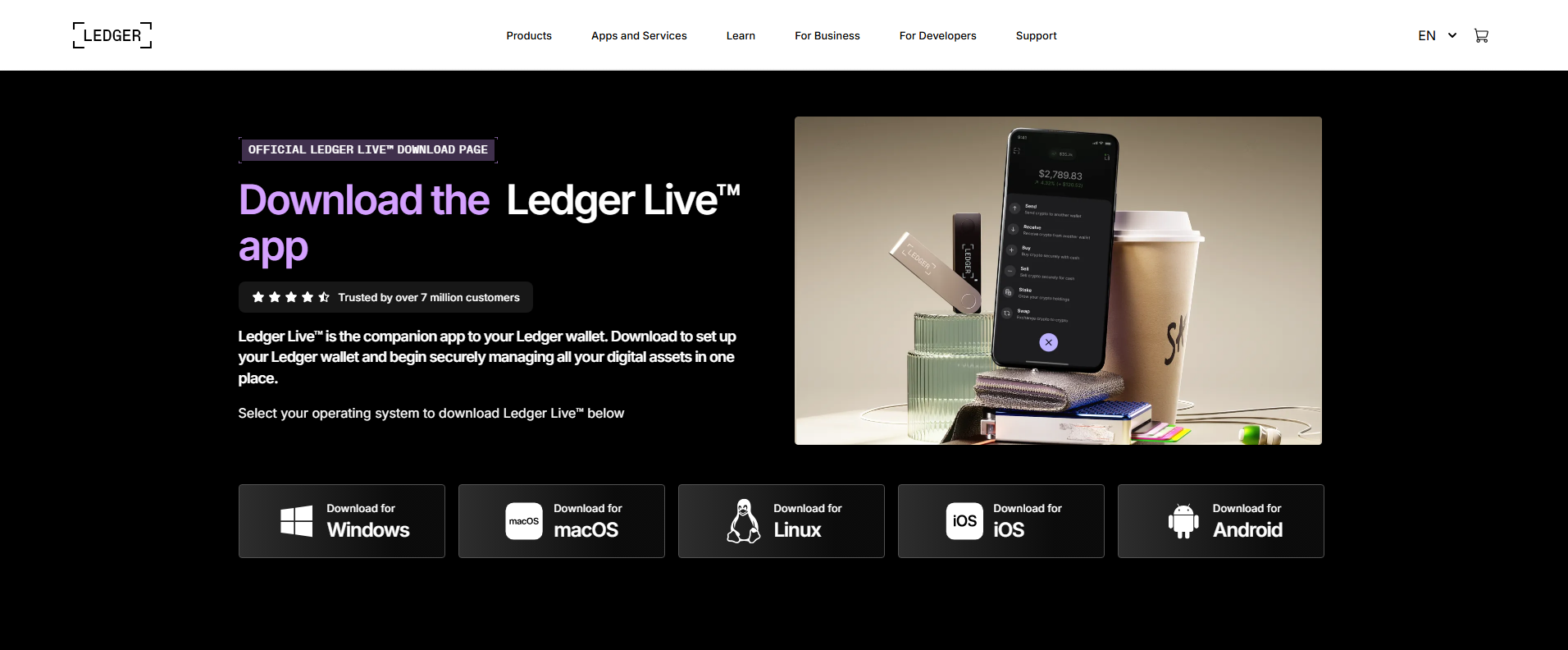
Ledger.com/start: Easy Ledger Wallet Setup Guide for Beginners
Managing cryptocurrency starts with choosing a secure way to protect digital assets. A Ledger hardware wallet is designed to keep private keys protected while allowing users to approve transactions through a dedicated physical device. For people setting up a Ledger wallet for the first time, Ledger.com/start can be used as a starting point for learning about device initialization and wallet management.
Whether you are completely new to hardware wallets or moving from a software wallet, understanding the setup process can make the experience much smoother.
Why Use a Ledger Hardware Wallet?
Cryptocurrency ownership depends heavily on controlling private keys. A hardware wallet is designed to keep those keys away from ordinary internet-connected applications while requiring physical confirmation for important operations.
This approach can add another layer of protection against common online risks. However, the security of a wallet also depends on how carefully the owner handles the device, PIN, recovery phrase, and transaction approvals.
Start With Ledger.com/start
When beginning a Ledger setup, use the official Ledger website and carefully check the address before entering any information. This is particularly important in cryptocurrency because fraudulent websites can imitate legitimate wallet pages.
Avoid searching for setup software through random advertisements or downloading files from unofficial sources. A small mistake during setup can create unnecessary security risks.
Complete the Initial Device Setup
After obtaining your Ledger device, connect it according to the instructions provided for your model. The setup process normally involves initializing the device and creating a personal PIN.
Your PIN should be something you can remember but that another person would not easily guess. Never share it with friends, online contacts, or anyone claiming to provide technical assistance.
Follow the instructions displayed directly on your Ledger device whenever they differ from information shown elsewhere. The hardware screen is an important part of confirming what you are actually approving.
Protect Your Recovery Phrase
One of the most important parts of setting up a Ledger wallet is recording the recovery phrase. This information can be used to restore access to the wallet, which means it must be treated as confidential.
Write the recovery words down carefully and keep the backup in a secure offline location. Do not save the phrase in a notes application, email account, cloud drive, screenshot, or other internet-connected location.
Never send your recovery phrase to another person. Legitimate support should not need your secret recovery words to troubleshoot an ordinary setup problem.
Install and Use Ledger Software
Once the hardware wallet has been initialized, the compatible Ledger software can help you manage your accounts and supported assets. Depending on the device and available features, users may be able to view balances, manage accounts, install required blockchain applications, and prepare cryptocurrency transactions.
Always download wallet software through a trusted Ledger source. Before installing an update or application, make sure you are using the legitimate software rather than a similarly named imitation.
Verify Every Transaction
A secure setup is only the beginning. Whenever you send cryptocurrency, take time to check the transaction details carefully.
Compare the recipient address and transaction information shown by the software with what appears on the Ledger device. Physical confirmation provides an opportunity to catch errors before approving a transaction.
This habit becomes especially useful when handling larger amounts or interacting with unfamiliar services.
Avoid Common Ledger Scams
Cryptocurrency users can encounter fake support agents, phishing websites, malicious applications, and messages designed to create urgency. Be cautious when someone asks you to reveal your recovery phrase, PIN, or private information.
A message saying that your wallet will be suspended unless you “verify” your recovery phrase should be treated as a major warning sign. Do not respond by providing confidential wallet information.
Final Thoughts
Ledger.com/start can help beginners understand the main stages involved in getting a Ledger hardware wallet ready for use. From connecting the device and establishing a PIN to protecting the recovery phrase and verifying transactions, every step deserves careful attention.
The strongest security practice is simple: keep your recovery information private and offline. Combine that habit with official software, careful transaction verification, and awareness of phishing attempts to create a safer cryptocurrency management routine.
Updated about 5 hours ago